
Serbia: Nuclear Plant Construction Targeted by 2035; EDF to Conduct First Four Studies; No Clear Announcement of a Referendum
Serbia plans to complete the first phase of its nuclear program by mid-next year (2027) in order to make a formal, informed decision on further steps, with the goal of beginning construction on the first facility by 2035, stated the Minister of Mining and Energy, Dubravka Đedović Handanović
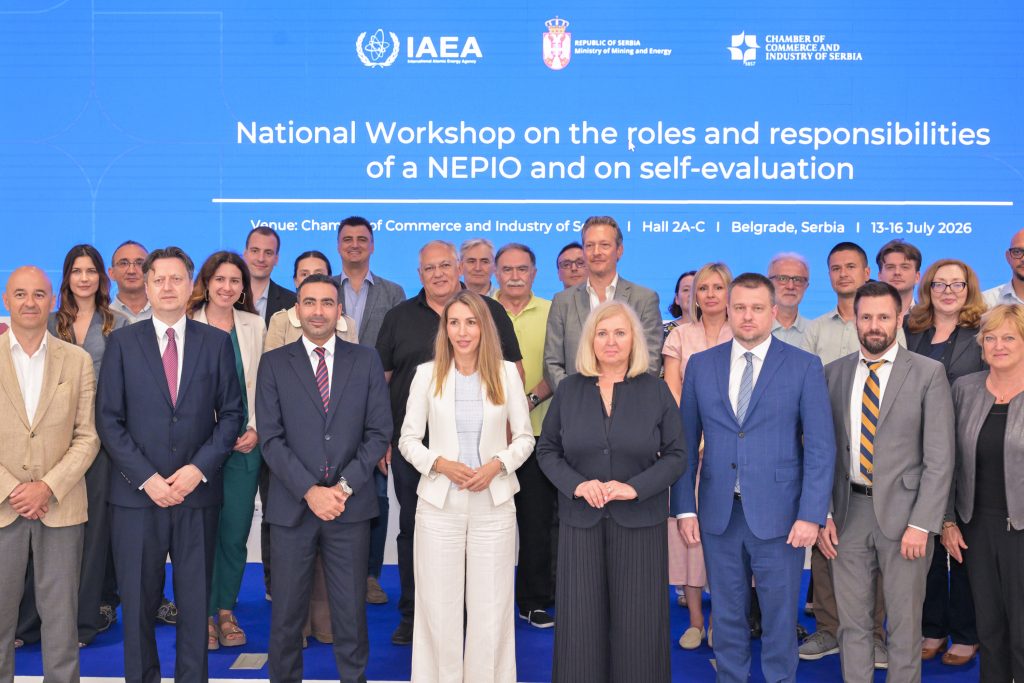
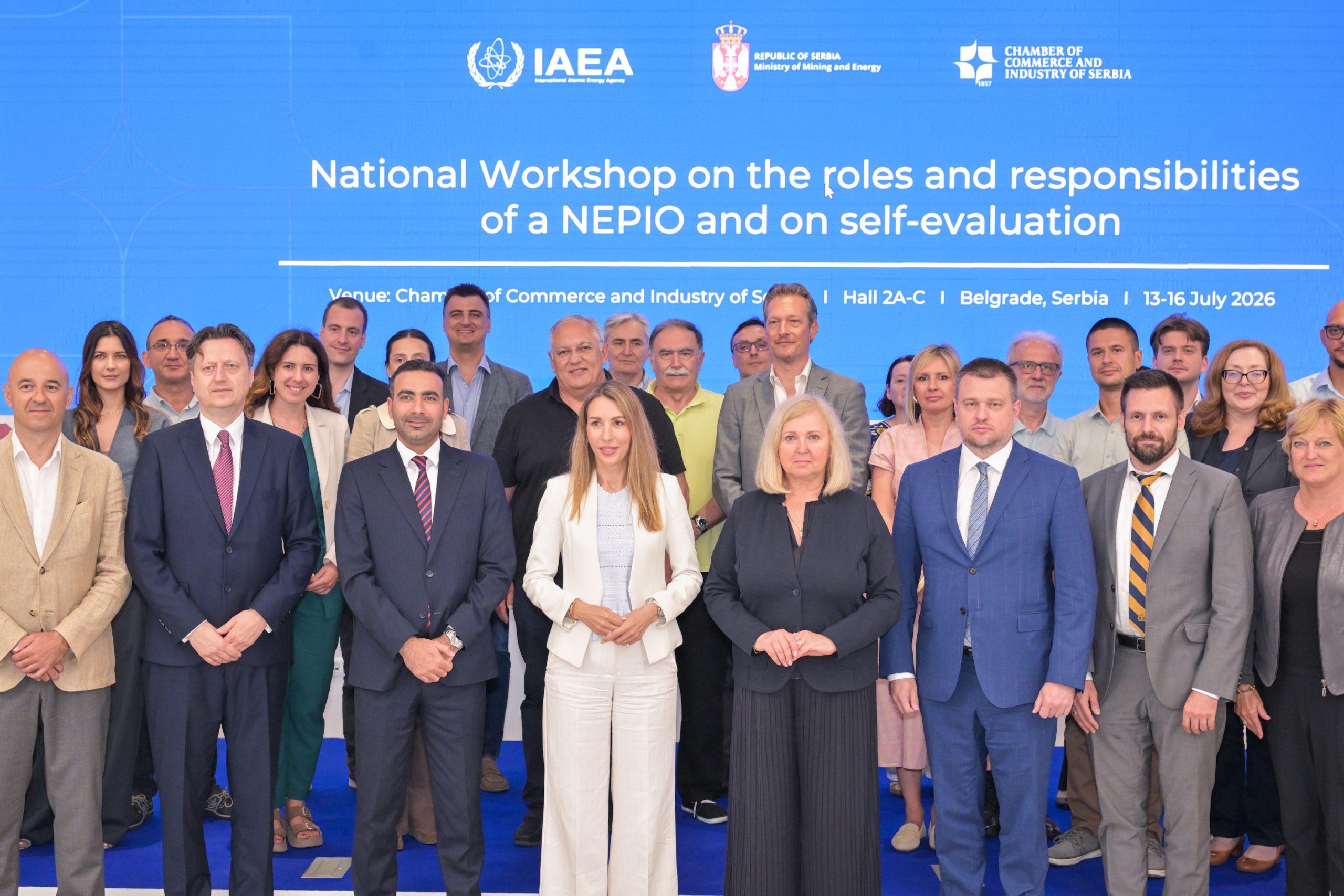
Opening a workshop on the role and responsibilities of the National Executive Position (NEPIO) for the implementation of the Nuclear Energy Program—organized with the support of the International Atomic Energy Agency (IAEA) and the Serbian Radiation and Nuclear Safety and Security Directorate (SRBATOM)—the Minister revealed key details regarding the distribution of technical studies and regulatory timelines.
A preliminary study conducted by Serbia with the French energy giant EDF has defined the initial steps. Under the Ministry’s new decision, EDF will conduct four more key studies in the first phase, while the remaining 14 studies (out of the total 18 required under the IAEA Milestones approach) will be subject to negotiations with other international companies that have previously expressed interest.
Key Milestones
The state leadership has set an ambitious yet rigorous timeline for the development of the nuclear infrastructure:
- Mid-2027 (Phase 1): Completion of all preparatory studies and making a formal, informed decision on launching the nuclear program.
- By 2032: Completion of the institutional, professional, and regulatory framework, followed by technology selection (large reactors or potentially small modular reactors – SMRs).
- By 2035: Commencement of construction on the first nuclear power facility.
The project is integrated into the “Serbia 2035” investment plan, which projects initial investments of around three billion euros in this sector. However, we note an obvious gap in this agenda: the official timeline does not mention any potential date or legal framework for a referendum in which citizens would vote on this highly critical strategic step.
The Pressure of Data Centers and AI
The ministry’s press release also outlines future technological pressures. As a key argument for introducing nuclear energy, Đedović Handanović highlighted the dramatic surge in electricity consumption driven by digital infrastructure.
“The upcoming ‘era of electricity’ means that development will increasingly rely on data centers, artificial intelligence (AI), and the electrification of industry and transport, which will require significantly more power. Meeting these growing energy needs from clean, baseload sources is hard to imagine without nuclear energy,” the Minister pointed out.
This statement directly confirms the regional trends that Nuklearna Perspektiva continuously reports on—the pressure of AI infrastructure on power grids is accelerating the demand for stable baseload energy, presenting “newcomer” countries with serious energy and spatial challenges.
Focus on “Human Infrastructure” and Domestic Cadres
In line with the stance that technology is useless without the skilled professionals to operate it, the Minister placed special emphasis on building a domestic expertise base. She welcomed the initiative by the “Vinča” Institute of Nuclear Sciences and the Faculty of Technical Sciences (FTN) in Novi Sad to launch dedicated master’s programs for educating future nuclear engineers.
Pointing to the example of the United Arab Emirates (the Barakah NPP), where domestic talent and the local economy were systematically developed from day one, the Minister told NEPIO members that they face a generational task: “Just as generations of engineers and experts built the energy capacities four and five decades ago that still ensure our security of supply today, this generation’s work will shape the future of Serbian energy for decades to come.”
Source: Ministry of Mining and Energy
S.A.