
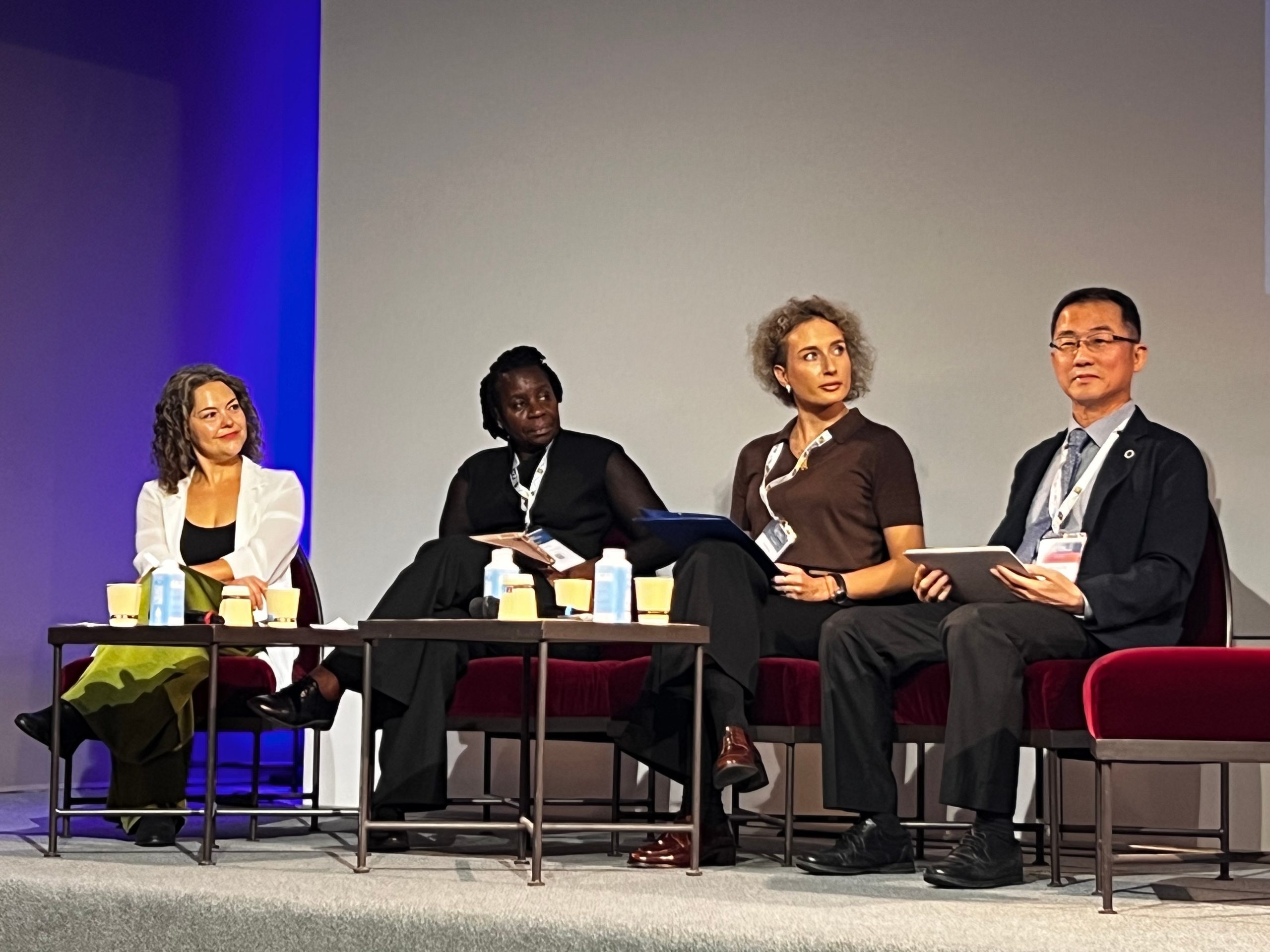
Marija Deurić in Avignon: Serbia Must Answer Fundamental Questions Before Choosing Technology and Partners
Marija Deurić, Country Director of the Russian state corporation Rosatom in Serbia, highlighted key aspects of technological leadership and the outlook for nuclear program development, with a focus on Serbia’s position. According to her, Serbia is not a newcomer, but it faces complex decisions that must be addressed prior to selecting a specific technology
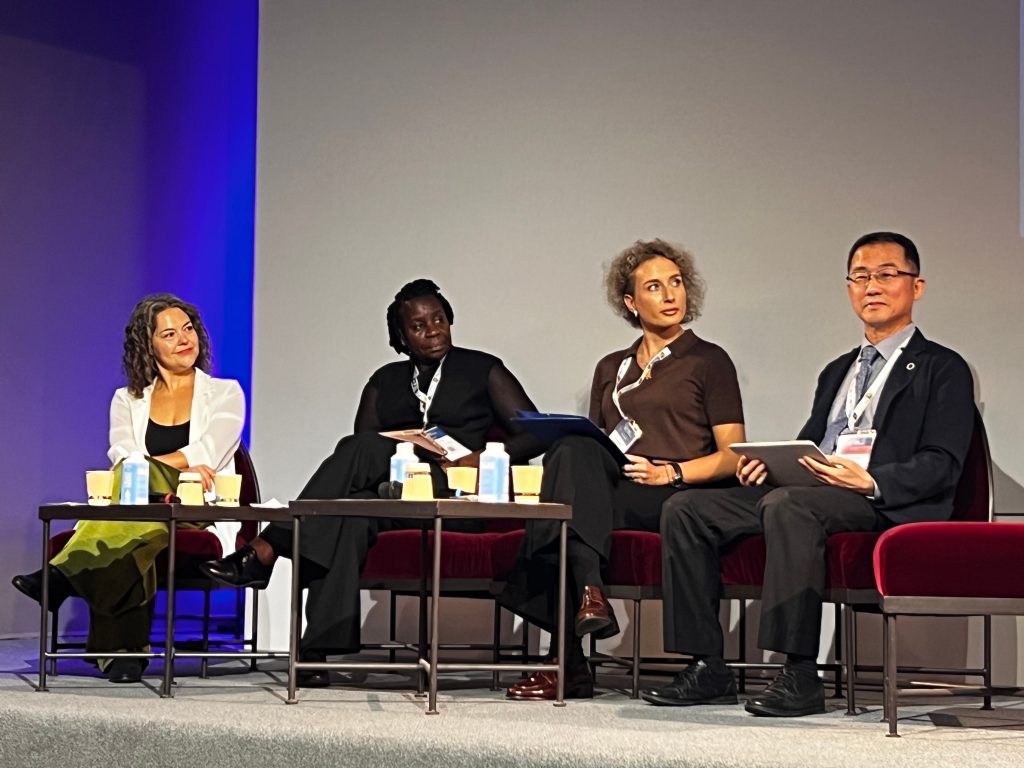
Speaking at the central panel dedicated to the nuclear renaissance and international cooperation, Deurić specifically addressed the challenges faced by newcomer countries introducing or revitalizing nuclear energy programs. Regarding Serbia’s situation following the lifting of the moratorium in 2024, she emphasized that building genuine national capacity requires clear answers to key questions before selecting a reactor design or technology partner:
“Before selecting a reactor or a technology partner, it is essential to answer fundamental questions: why do we need nuclear energy, what capacity fits our grid, how will we finance it, who will operate the plant, and who will possess the knowledge to manage this program over the next 60 to 80 years? The role of a global partner is not to create dependency, but to help avoid mistakes—while the host government must remain the master of the process,” Deurić pointed out.
She recalled the historical foundations Serbia already possesses through the tradition of the Vinča Institute and the legacy of Pavle Savić, emphasizing that Serbia is not a complete newcomer to nuclear science:
“The challenge is not to replace indigenous expertise with foreign experience, but to integrate universities, institutes, and industry into a robust domestic ecosystem. Technology can be imported, but 20 years of experience cannot be built in two years.”
Her remarks were delivered at the International Youth Nuclear Congress (IYNC 2026) in Avignon, held under the theme “The Chain of Change.” The congress gathered experts from over 50 countries and opened with an address by IAEA Director General Rafael Mariano Grossi.
Beyond Serbia, Deurić outlined Rosatom’s global capacity, stating that the corporation is currently constructing 28 out of the 32 nuclear power units exported worldwide—accounting for nearly 90% of the global nuclear export market. She also highlighted the project in Uzbekistan as the world’s only deployment combining small modular reactors (SMRs) with high-capacity units, alongside Rosatom’s progress toward closing the nuclear fuel cycle. She defined modern technological autonomy not as manufacturing every single component domestically, but as a state’s ability to understand its choices, control its program, and negotiate with partners on equal terms.
Comment
The messages delivered in Avignon hit the core of the challenge facing Serbia—and the central focus of Nuklearna Perspektiva.
The decision to lift the moratorium and a declarative commitment to nuclear power are meaningless without a parallel, systemic effort to rebuild domestic human resources and the scientific base. Shifting the focus toward developing a domestic educational and scientific “ecosystem” and strengthening institutional knowledge is the only path for Serbia to enter negotiations with any technology partner—whether Rosatom, EDF, KHNP, or another vendor—as a sovereign investor rather than a passive buyer of technology.
Source: Rosatom
S.A.